Press kit
Bio, print-quality photos, list of topics, quotable statements and a direct line to Pedram Dadgar, expert on energy and economic policy as well as card and online payments.
Contact for newsrooms
Phone and WhatsApp: +49 152 15255052 Email: info@pedram-dadgar.de Response on working days usually within two hours. Written quotes the same day, background conversations at short notice, in person in Frankfurt am Main or by video.
Short bio (to copy)
Pedram Dadgar, an entrepreneur from Frankfurt am Main, is a strategic adviser to Green Contracting GmbH and co-developed its heat-contracting model (heat supply, heat pumps and financing for real estate). He explains energy and economic policy daily – from power and heating costs to subsidies and the move away from cash – from the perspective of owners, businesses and consumers. As “Mr. Pay” he also advises SENZA, a payment network operator for card terminals and online payments in Germany and Austria.
Long bio
Pedram Dadgar is an entrepreneur and strategist from Frankfurt am Main. His lead topic is energy and economic policy: in 2021 he co-developed a heat-contracting model now run by Green Contracting GmbH (contracting.green), and has advised the company ever since on financing, manufacturer onboarding and sales. On pedram-dadgar.de he explains daily what energy prices, the heating law, the CO₂ price, subsidies and economic-policy decisions – up to the move away from cash – actually mean for owners, businesses and consumers. Sales has been his craft since 2001: chief sales officer of MEG AG (growing the team from 40 to 750 people in three years), founder of Qualitura GmbH, Dunkin' Donuts master franchise partner in Baden-Württemberg and managing director of Hugos Frankfurt. As “Mr. Pay” he also supports SENZA (senzapay.com), a commercial payment network operator for card terminals and online payments in Germany and Austria, whose principle “Zahlen ohne Aber.” (paying without a catch) stands for fully disclosed pricing. His standard: explain what a piece of news means for the people who ultimately pay for energy and payments.
Topics Pedram Dadgar comments on
- Heat supply for businesses and property owners: contracting, heat pumps and district heating compared on cost
- Germany's heating law (GEG), the CO₂ price and municipal heat planning: what landlords and businesses face
- Energy costs and financing: contracting or own investment, subsidies, heat prices
- Electricity and gas prices: how they are made up, grid fees and what businesses and households pay
- Economic policy: energy policy, the CO₂ price/ETS2 and phasing out cash, in their economic context
- Real estate development and energy: refurbishment, ESG and financing risk
- Card payments at the point of sale: cost, contracts, terminals
- EU payment regulation: PSD3, PSR, interchange, instant payments
- The digital euro, Wero and the future of paying from a merchant's perspective
- Mandatory card acceptance and cash: what draft laws mean for businesses and consumers
- Building sales teams, commission models and recruiting in B2B sales
Quotable statements
The following sentences come from the analyses in the newsroom and may be used with attribution: for energy and economic-policy topics “Pedram Dadgar, strategic adviser to Green Contracting GmbH”, for payment and sales topics “Pedram Dadgar, strategic consultant at SENZA”. Each statement links to the article with its context and sources; the matching role is shown beneath the quote there.
“Anyone heating with oil is paying almost double last year’s price this autumn, while electricity and gas got cheaper. The choice of fuel is no longer a climate question, it is a cost question.”
Heating oil 84.5 per cent dearer in October than a year ago, electricity and gas cheaper 11/11/2026“Anyone whose power is linked to the exchange price paid around 8.5 cents per kilowatt hour more in October than a year ago, before grid fees and taxes are even added.”
Wholesale power at 169 euros per megawatt hour in October 2026 — twice as expensive as a year ago 10/11/2026“Anyone reading only the percentage in the price letter compares the wrong thing, because heating costs in 2027 depend on unit rate, standing charge and how long the supplier’s cheaper procurement lasts.”
Germany’s 2027 default gas tariffs: EnBW, EWE and municipal utilities raise prices, adding €215 to €566 a year 09/11/2026“The federal subsidy is not a discount but a budget item renegotiated every year. Anyone fixing electricity costs for 2028 should treat grid fees as a risk, not as a constant.”
Germany’s 2027 grid fee subsidy: Bundestag hearing exposes dispute over €975 million as 7 December deadline nears 08/11/2026“Anyone planning a solar system for 2027 is currently calculating with a law that does not yet exist. That is no reason to cancel, but a reason to tie contracts to the subsidy rules.”
Germany’s EEG reform and grid package slip to December: support for new solar systems from 2027 remains open 07/11/2026“Anyone paying for district heating gets neither price oversight nor a transparency platform this winter. The only scrutiny remains what a customer takes to court themselves.”
Germany’s heat network package is delayed: district heating customers are still waiting for price oversight and clear price clauses 06/11/2026“Anyone who wants security of supply for low-wind, low-sun periods will pay for it as a levy on every kilowatt-hour. Businesses and landlords should build this item into their electricity planning from 2031, even though it has no number yet.”
Gas power plants: Germany’s grid regulator awards 5.16 gigawatts, around €800 million a year paid by electricity customers 03/11/2026“The ECB waits, the energy price does not. Anyone financing heating and heat supply should calculate interest and fuel costs together, not separately.”
ECB leaves key rates unchanged in October — energy shock remains the risk for inflation and growth 01/11/2026“The inflation rate is falling, the heating bill is not automatically following. Anyone who looks only at the headline overlooks that heating oil and wholesale gas are building the price pressure for winter.”
Inflation falls to 2.8 per cent in October — energy stays the price driver at 12.2 per cent 31/10/2026“Today’s exchange price is the heating bill of the day after tomorrow. Anyone signing or renewing a gas contract now is deciding their costs well into 2027.”
Gas above 100 euros: wholesale price at its highest since 2022 — Germany's Federal Network Agency expects dearer new-customer tariffs 29/10/2026“The EEG levy is gone, but the quiet charges on the electricity bill keep rising — anyone who looks only at the energy rate overlooks a growing share of their electricity costs.”
Germany's 2027 electricity levies are set: offshore charge up 21 per cent, CHP levy barely moves 28/10/2026“That cheap wholesale power makes green-energy support more expensive sounds paradoxical, but it is by design: the lower the market price falls, the larger the gap the state guarantees to older plants.”
€17.5 billion for green-power support in 2027 — a billion more than the budget allows for 27/10/2026
Mentions and appearances
Appearances in third-party formats, linked so they can be checked. Own channels are deliberately not listed here.
- 4 August 2025 · YouTube, Chris Schuppner’s channel · “Ich habe 730 Vertriebler in 13 Monaten eingestellt…” (Pedram Dadgar in the Skyline Interview), a long-form interview on building sales teams and recruiting, around 60 minutes · To the interview
- 22 October 2016 · ahgz (Allgemeine Hotel- und Gastronomie-Zeitung, Deutscher Fachverlag) · “Das Hugos geht in Frankfurt an den Start”, a report on the opening of Hugos in Frankfurt am Main that names Pedram Dadgar as franchisee · To the article
- 22 February 2016 · Frankfurt Geht Aus! (Genussmagazin Frankfurt) · “Münchens Edel-Pizzeria bald in Frankfurt”, a preview of the Hugos opening that names Pedram Dadgar and Michael Kammerer as the people behind the project and mentions the Dunkin’ Donuts network they built in Baden-Württemberg · To the article
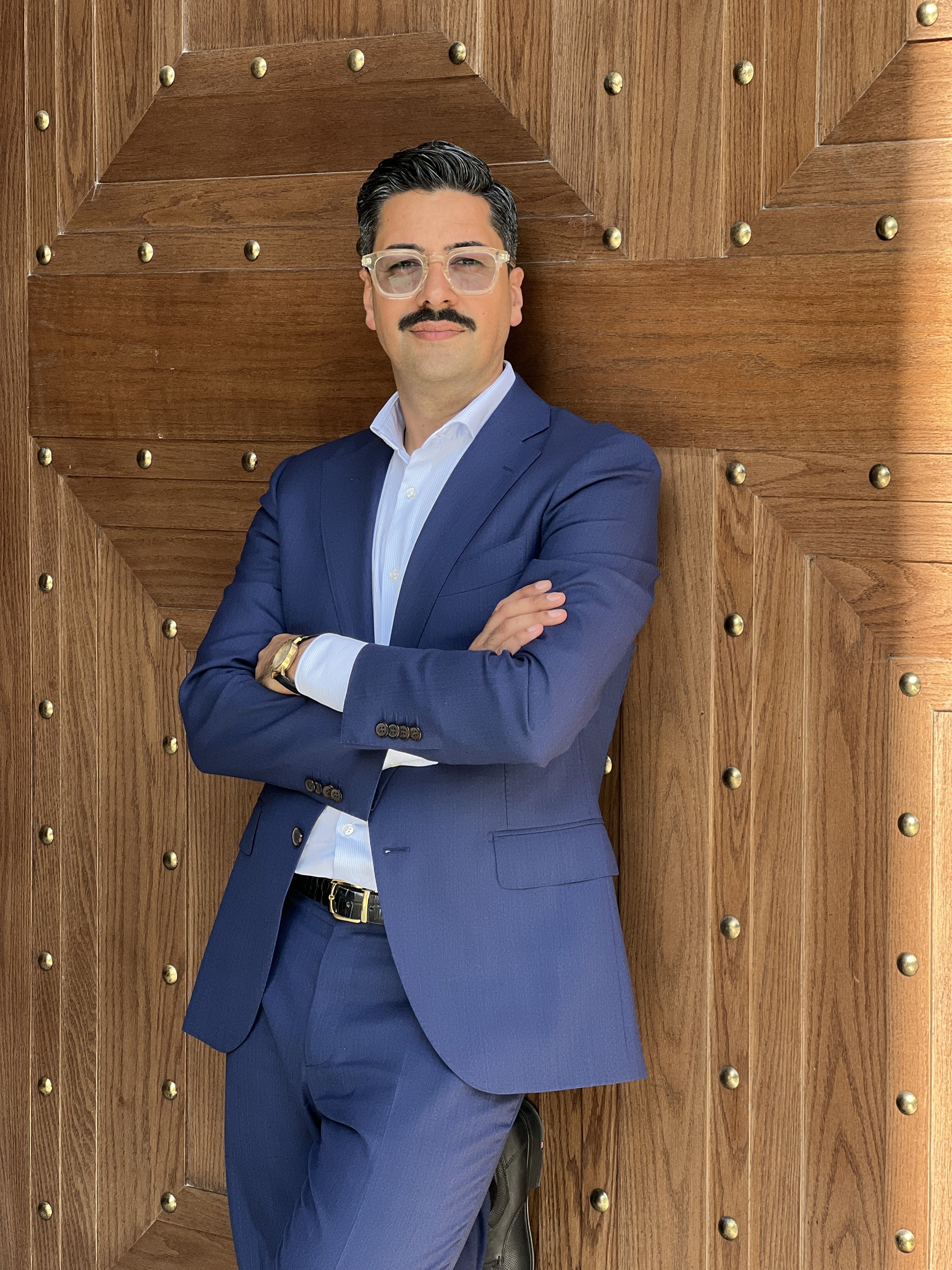
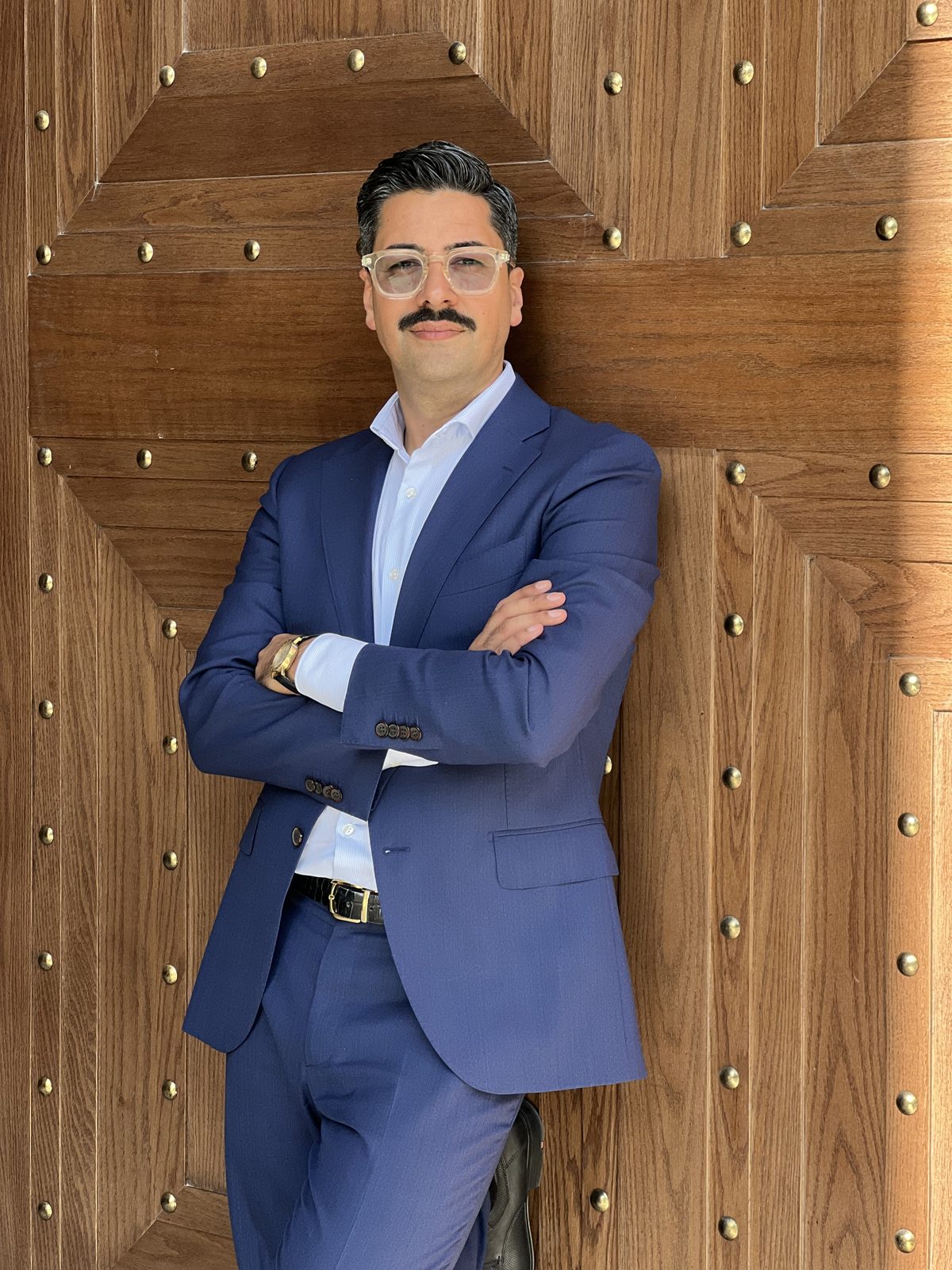
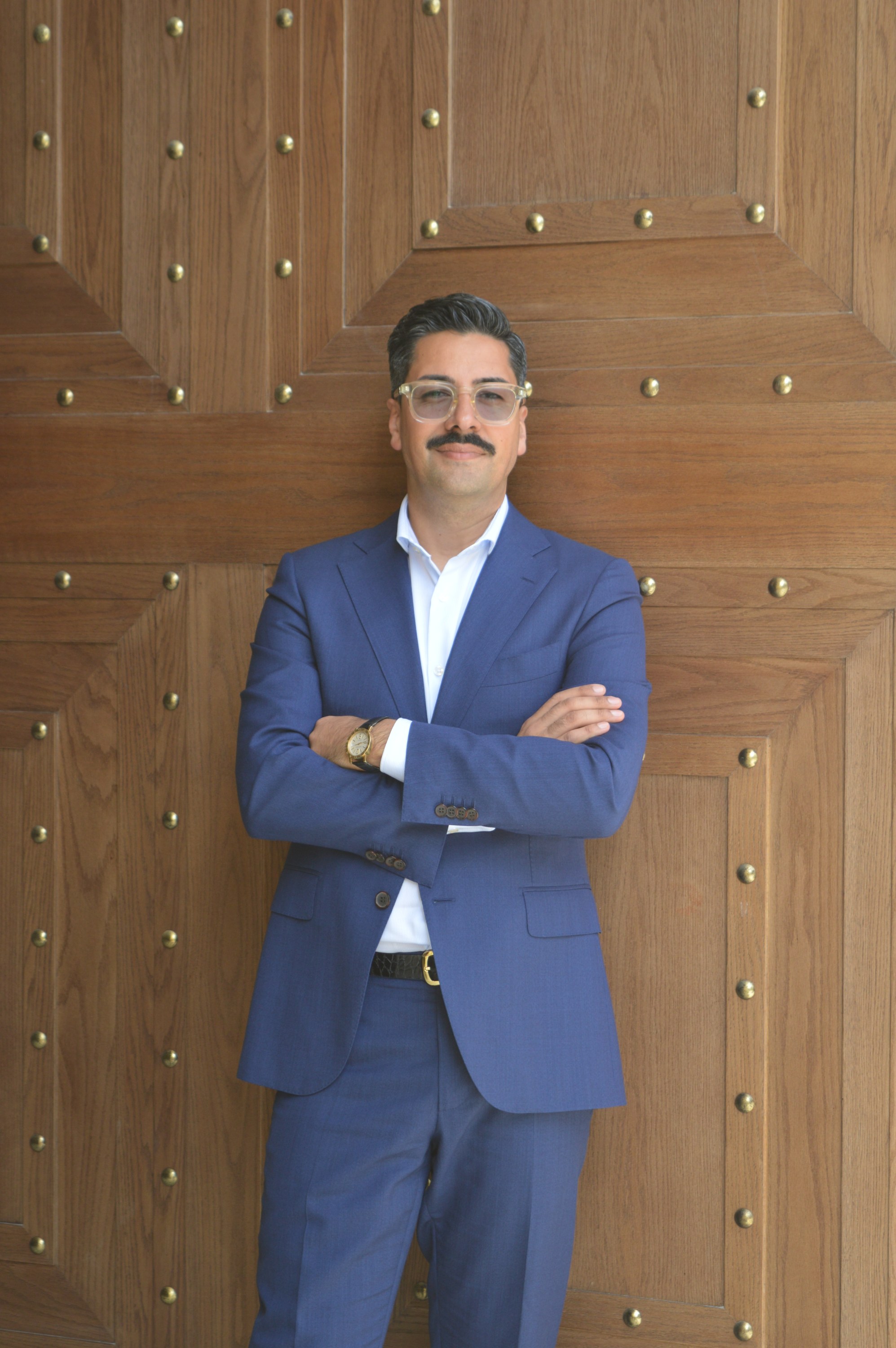
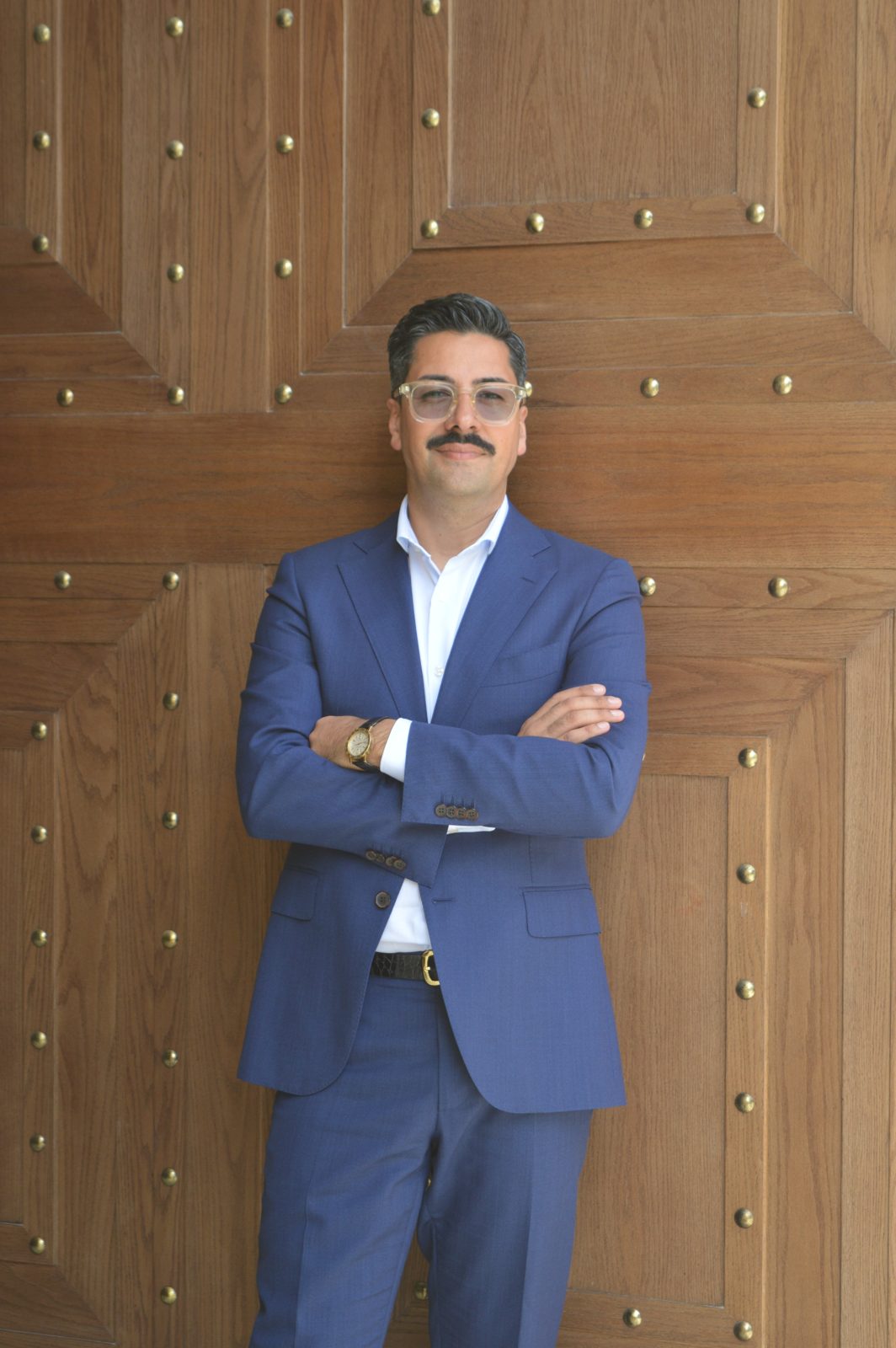
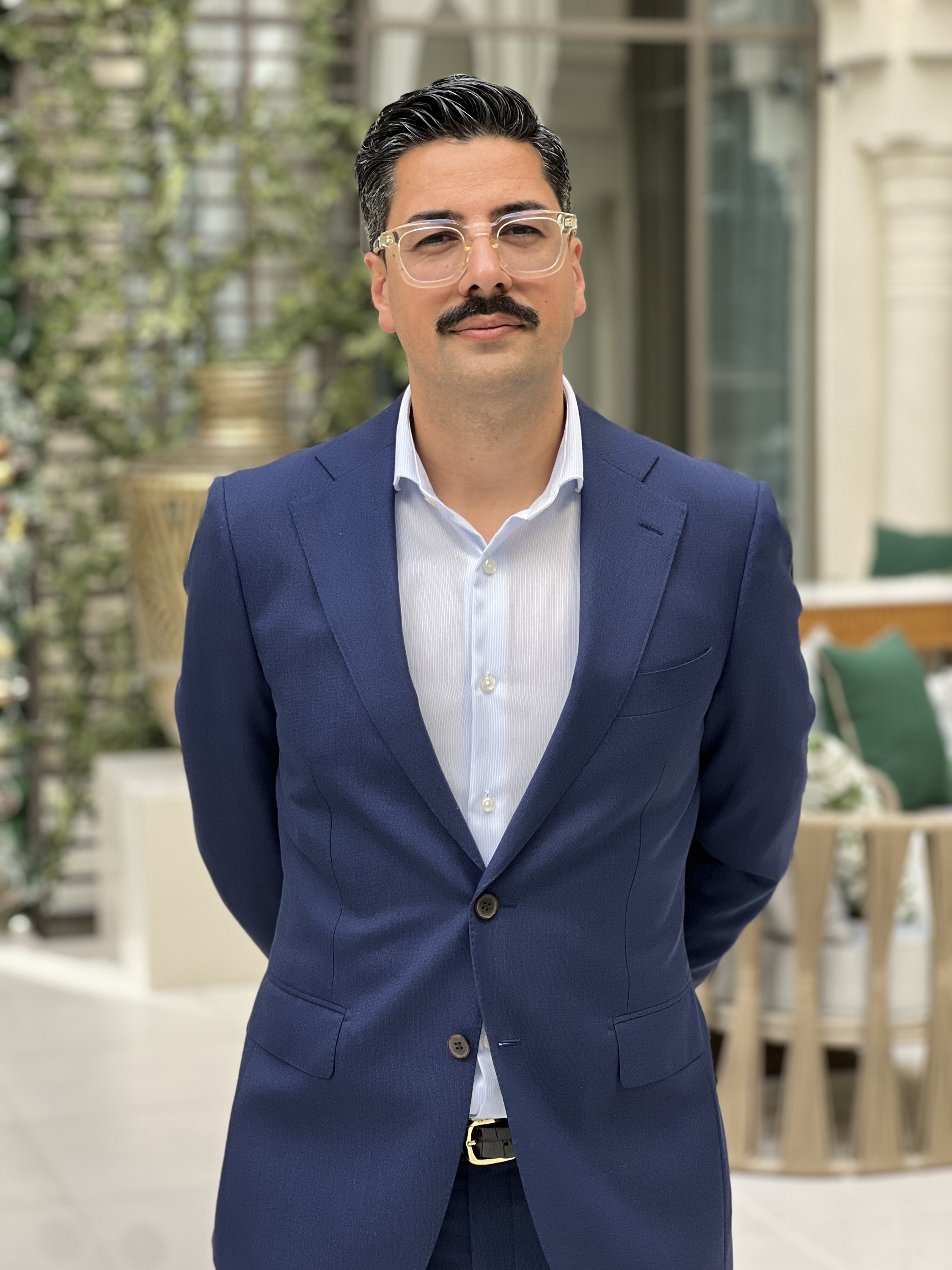
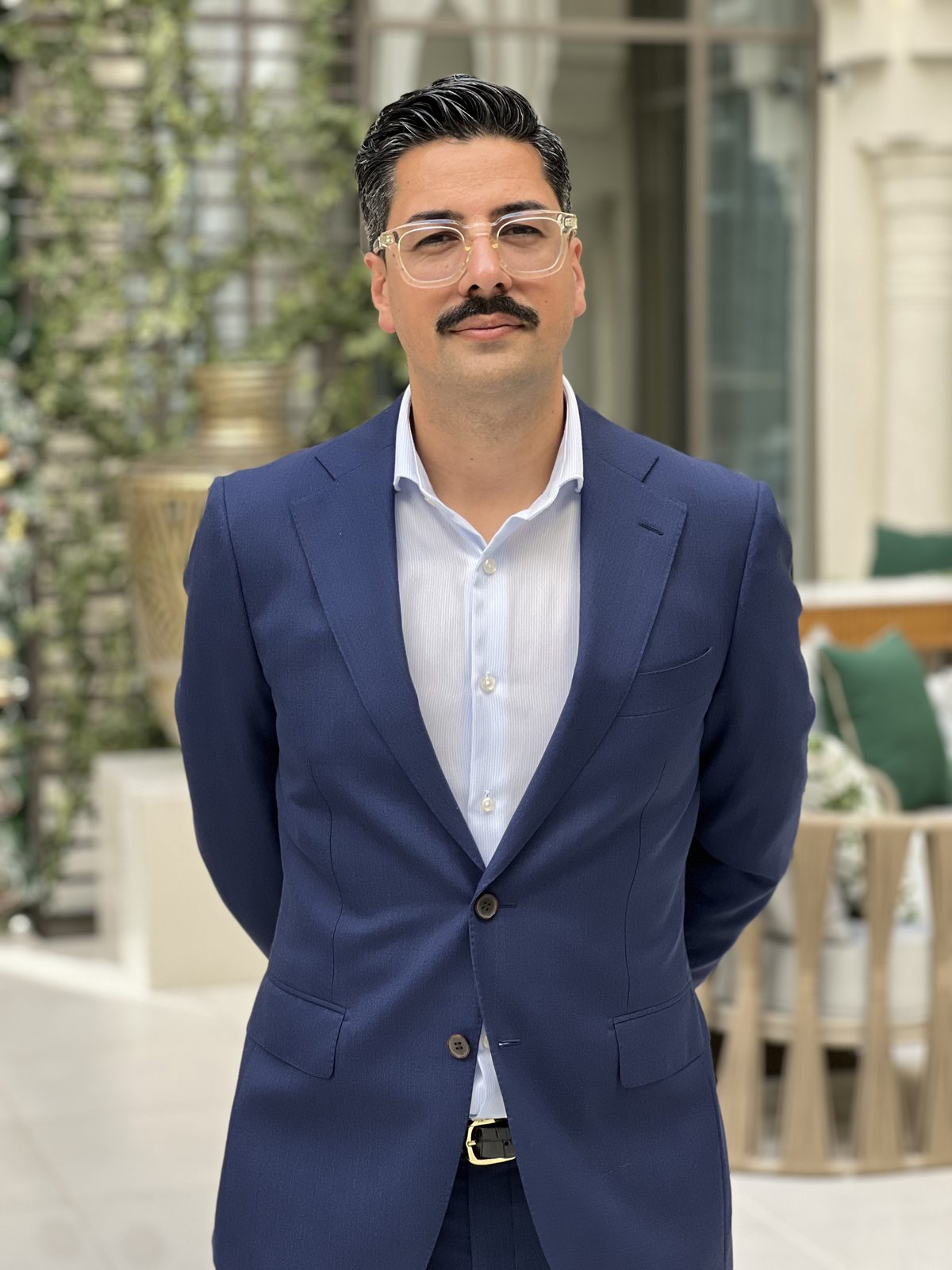
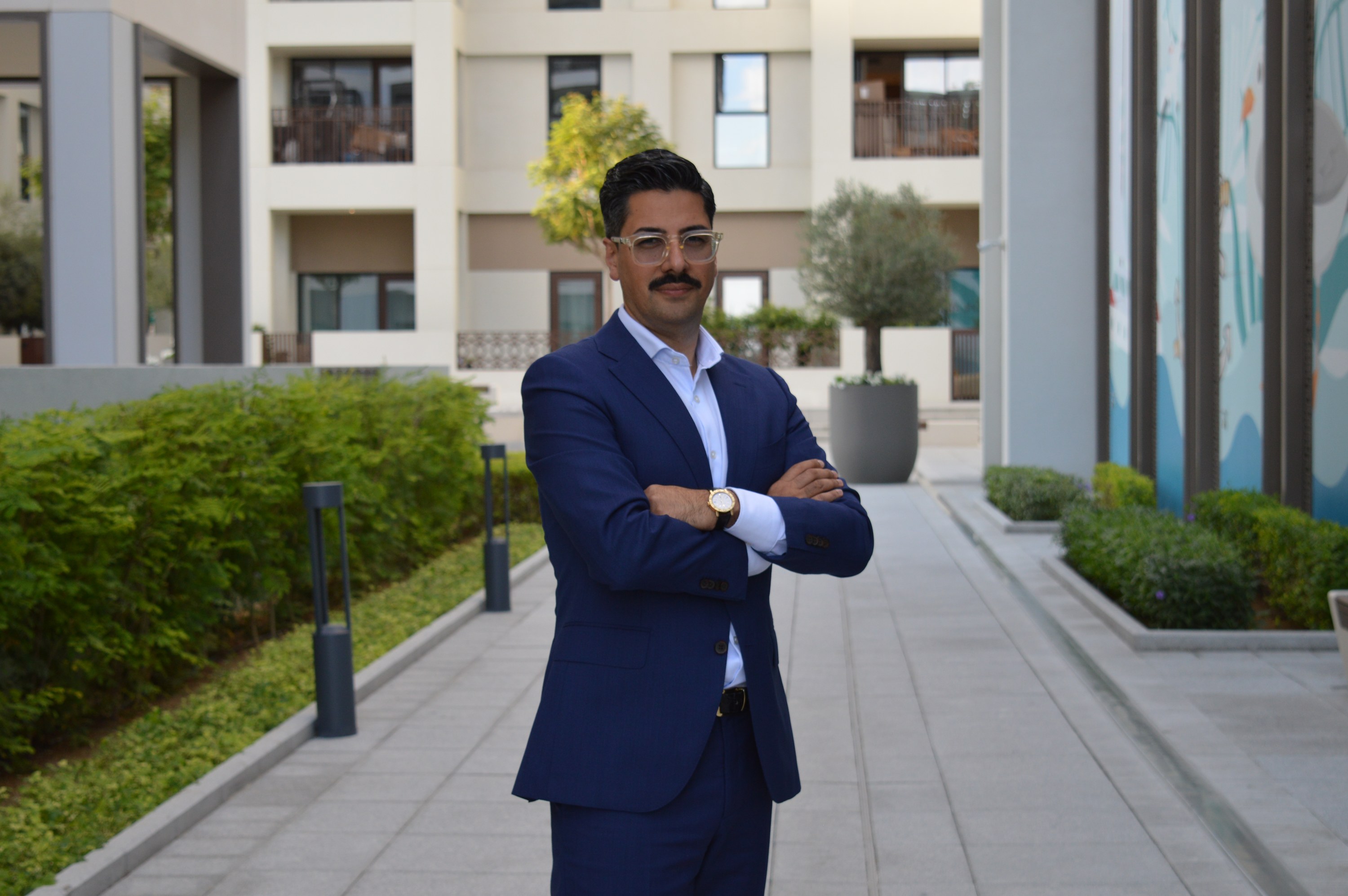
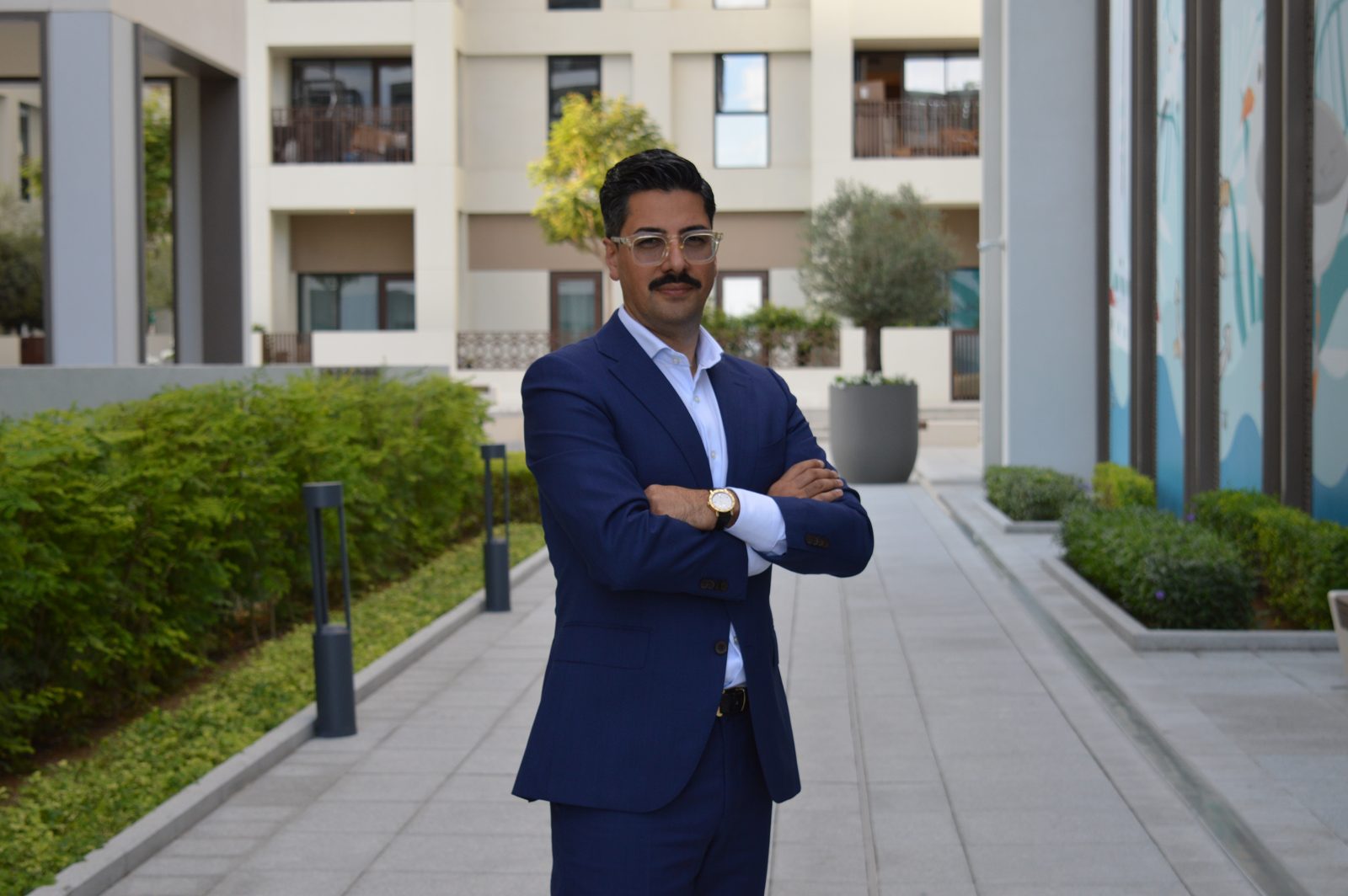
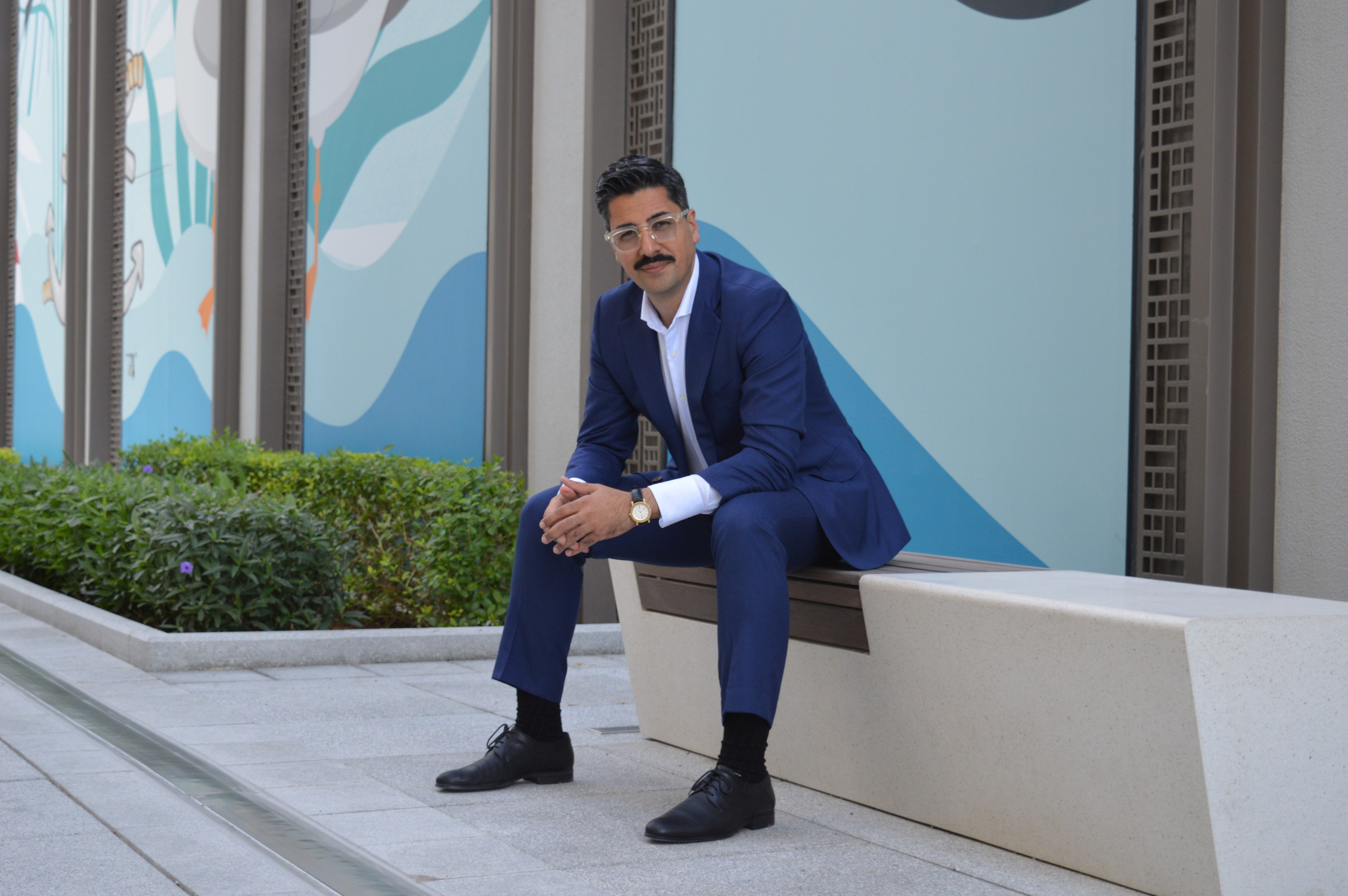
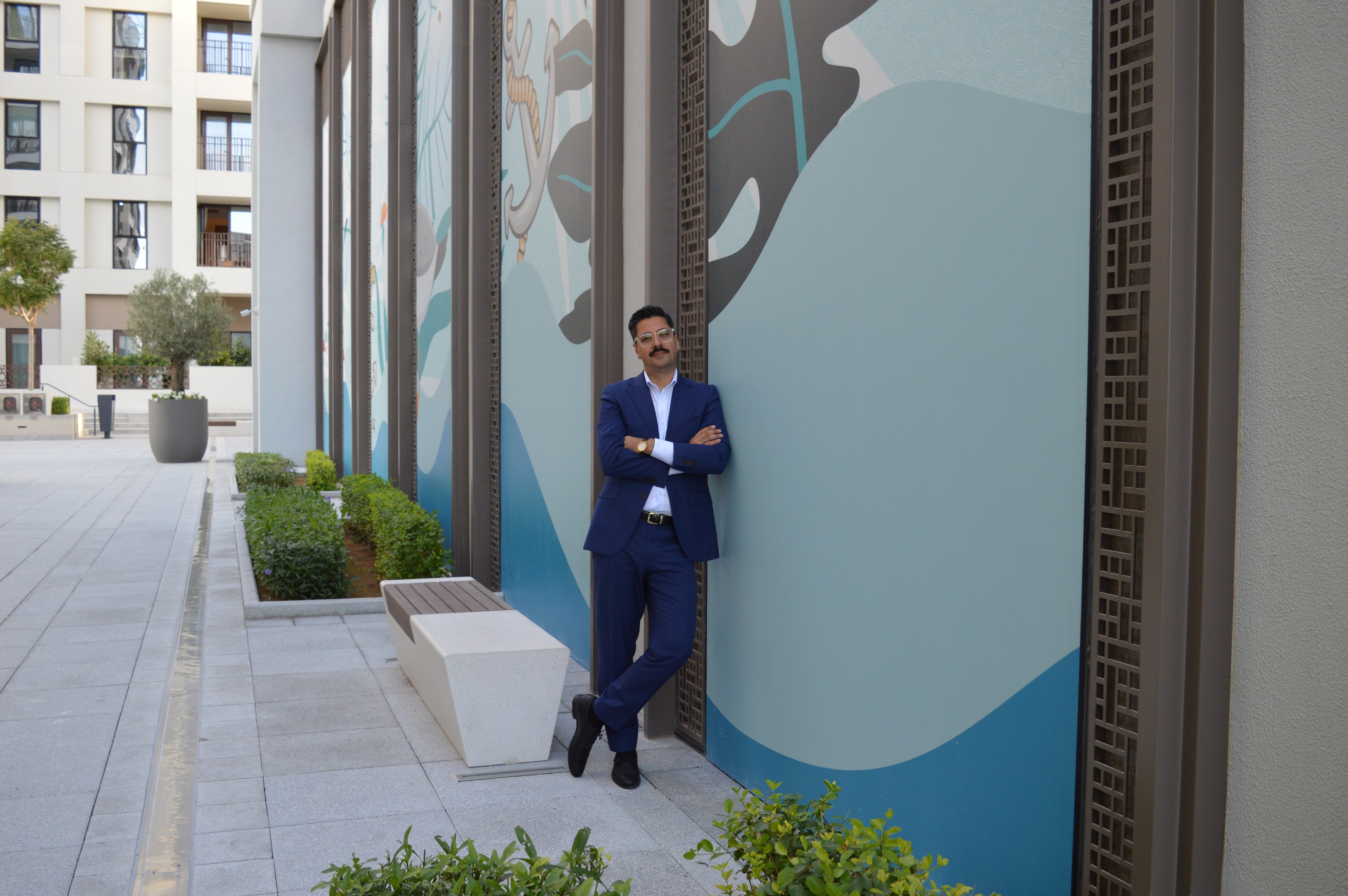
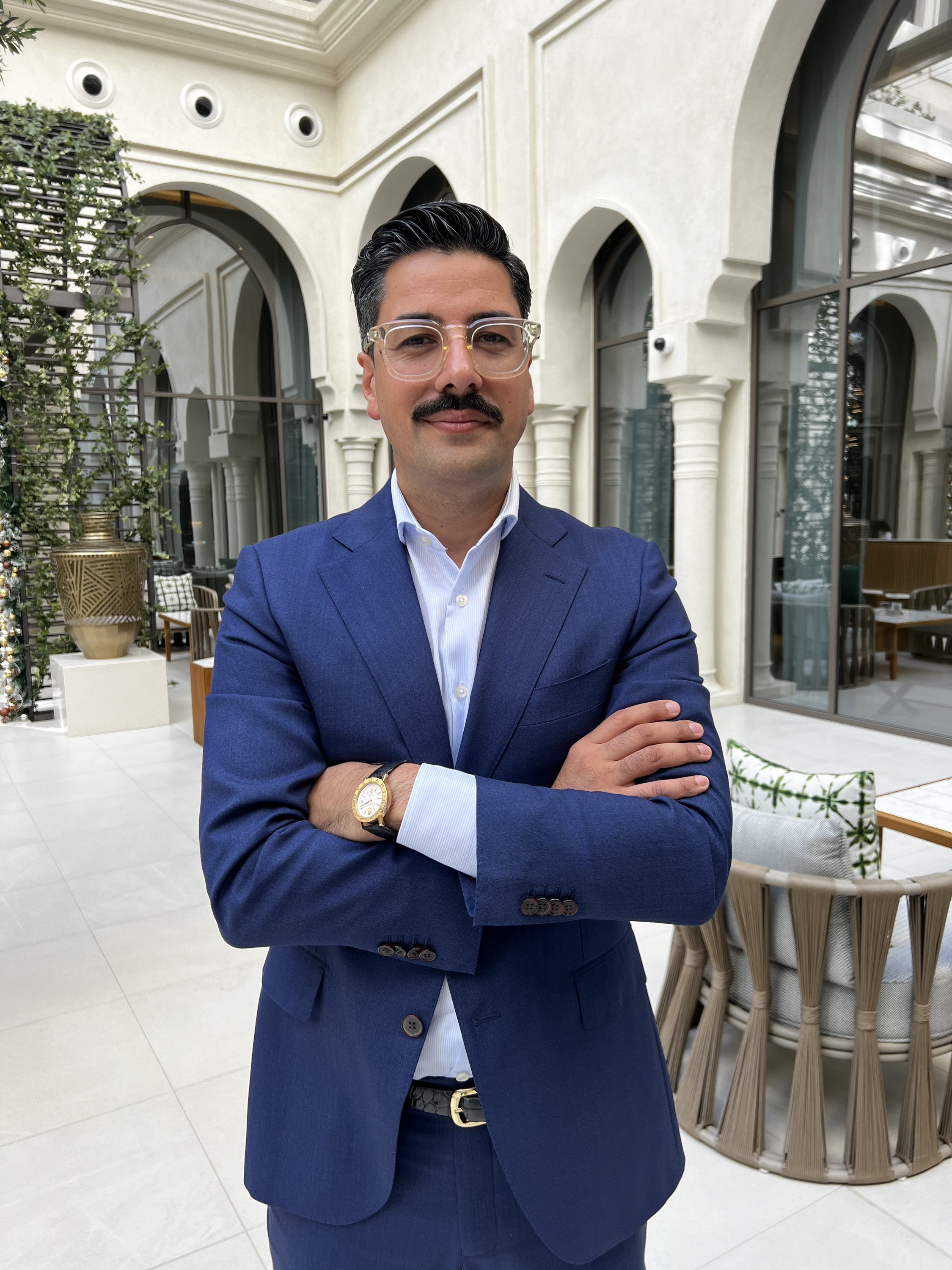
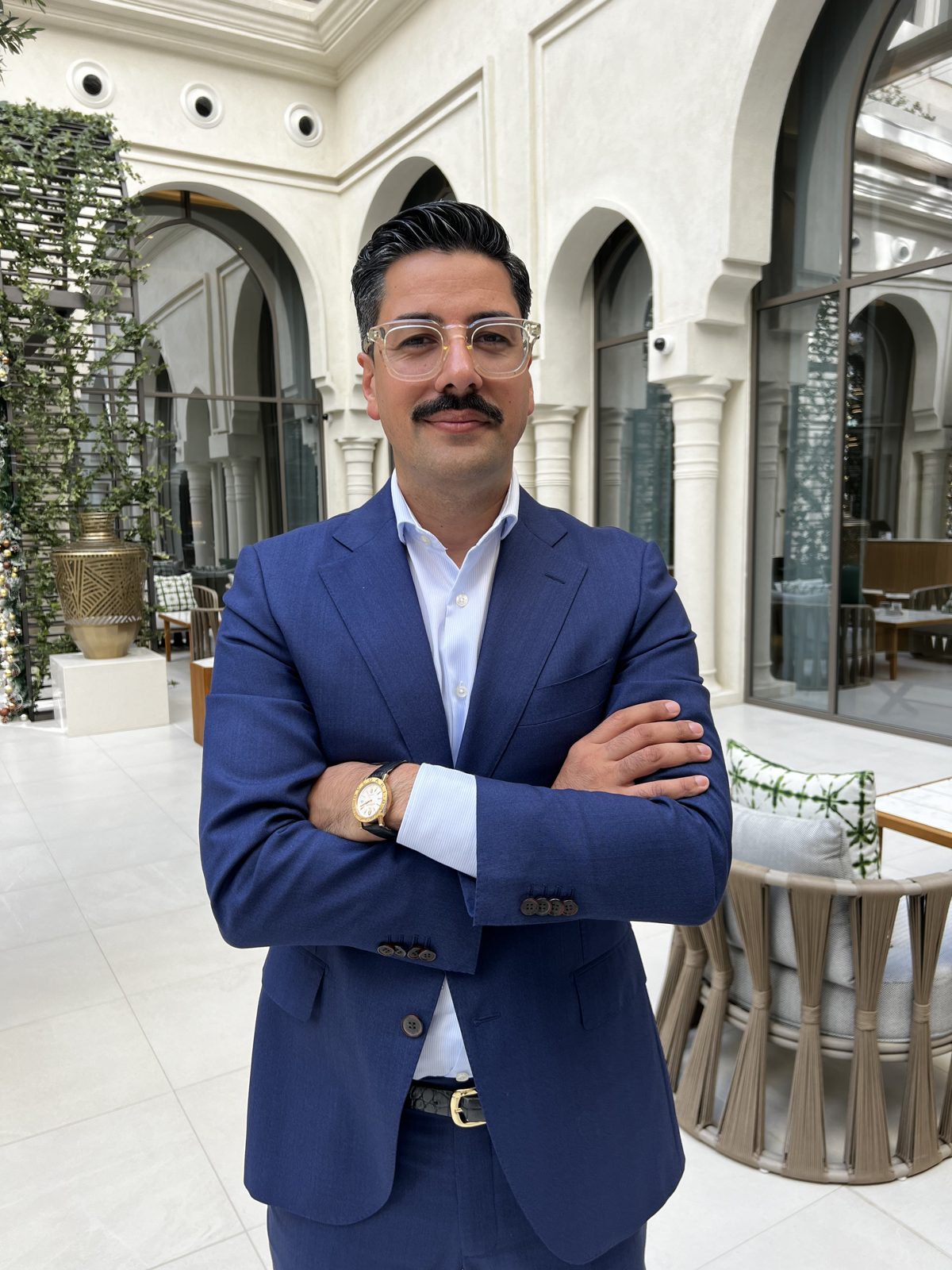
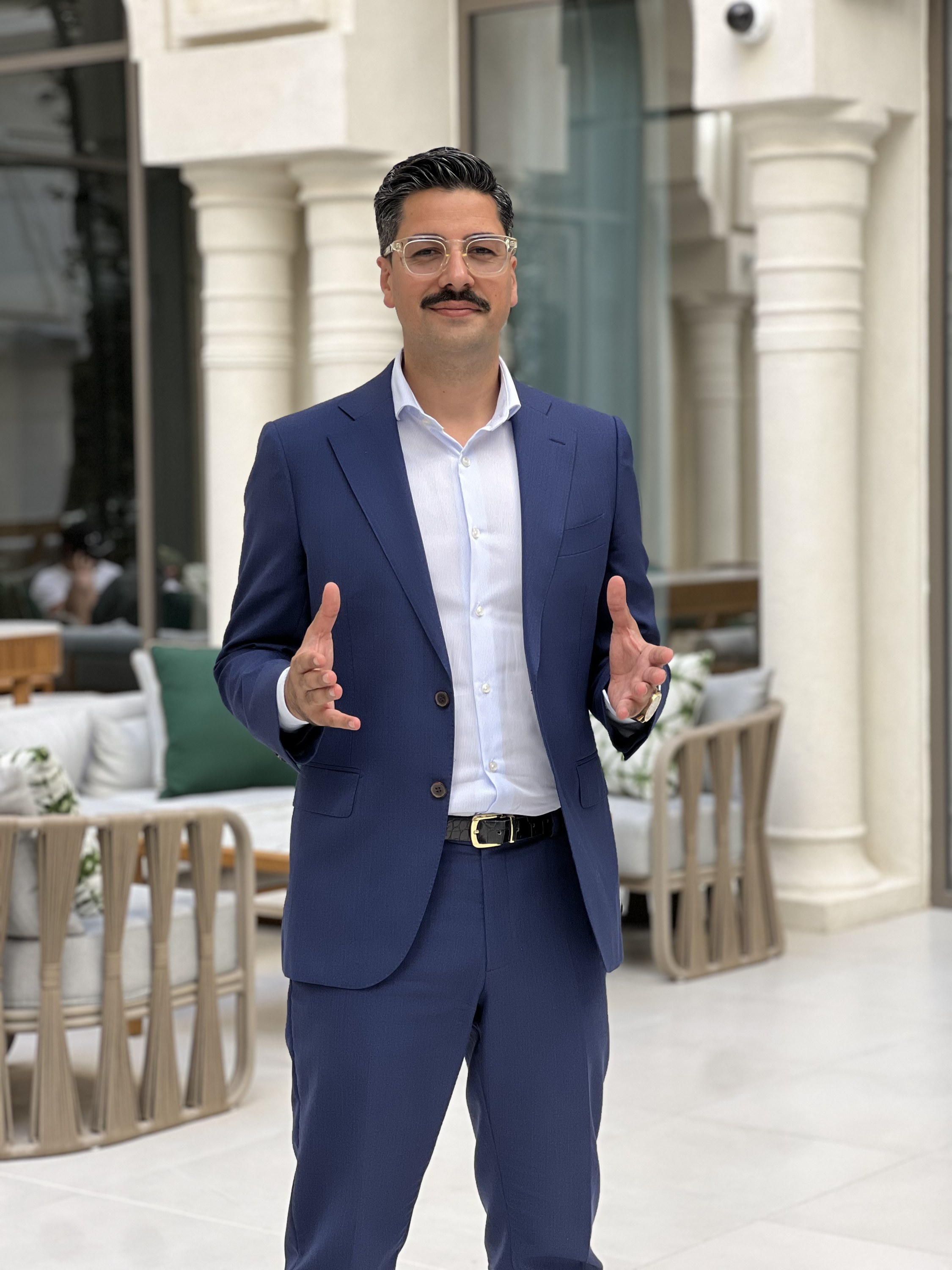
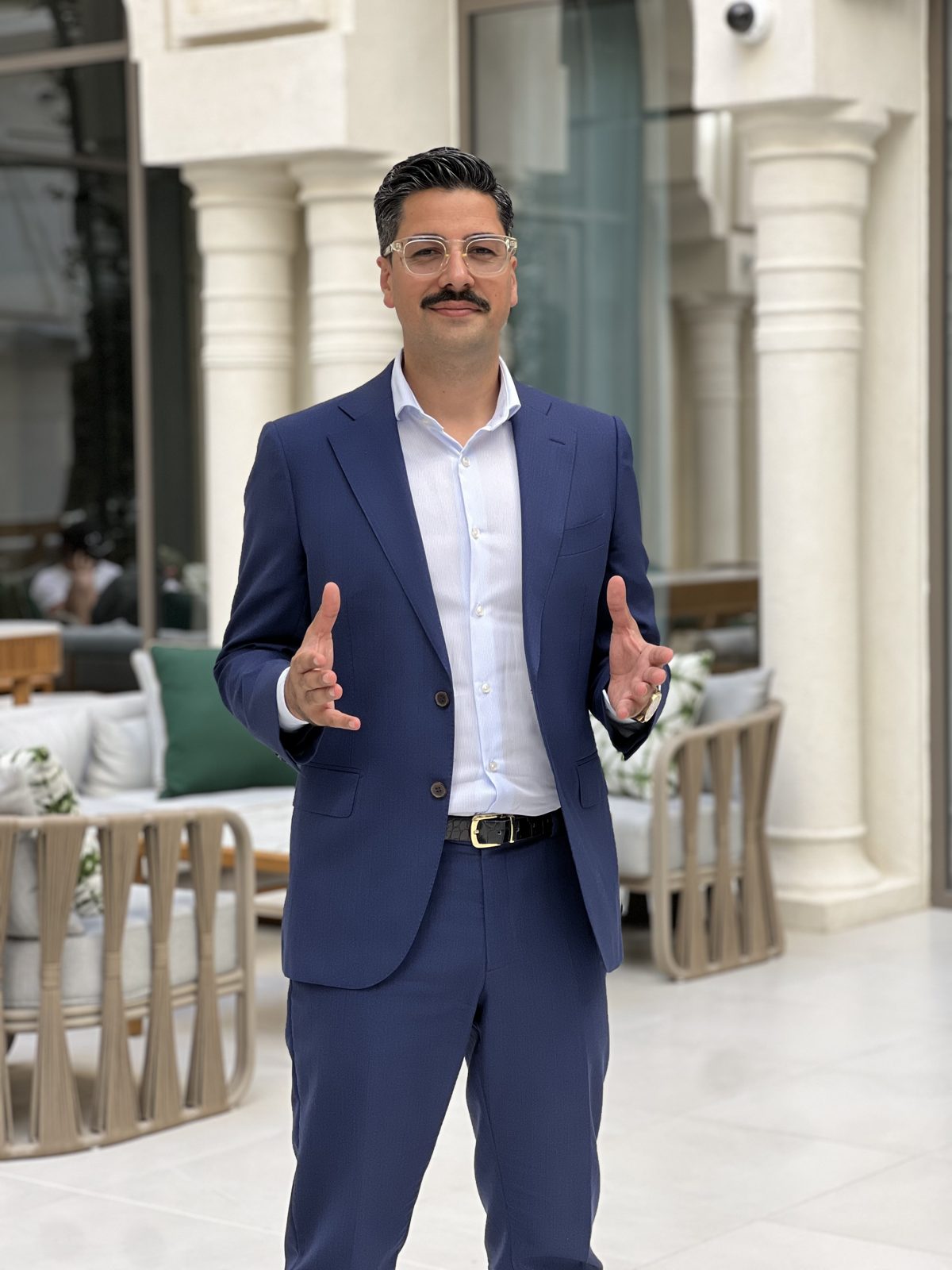
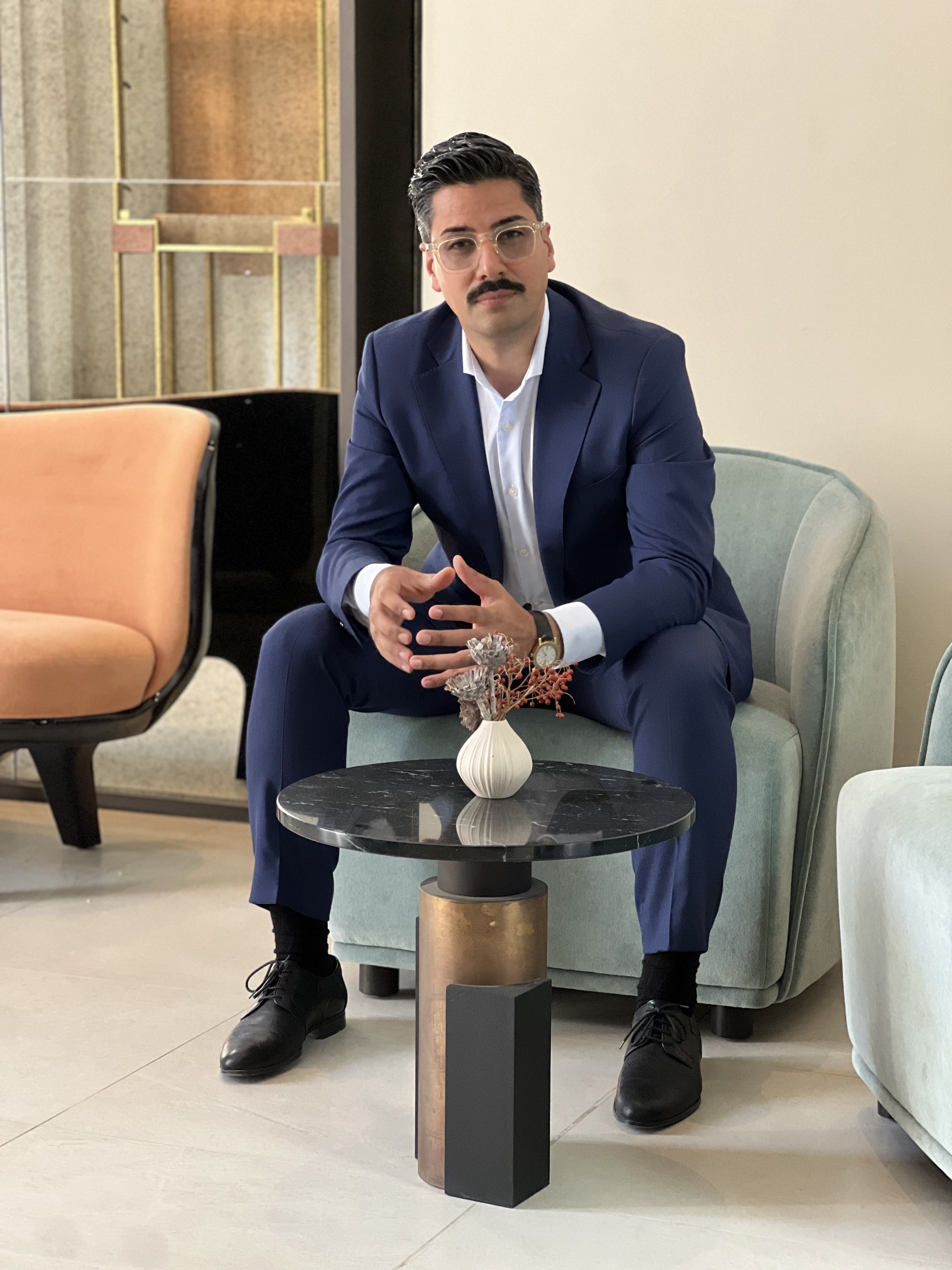
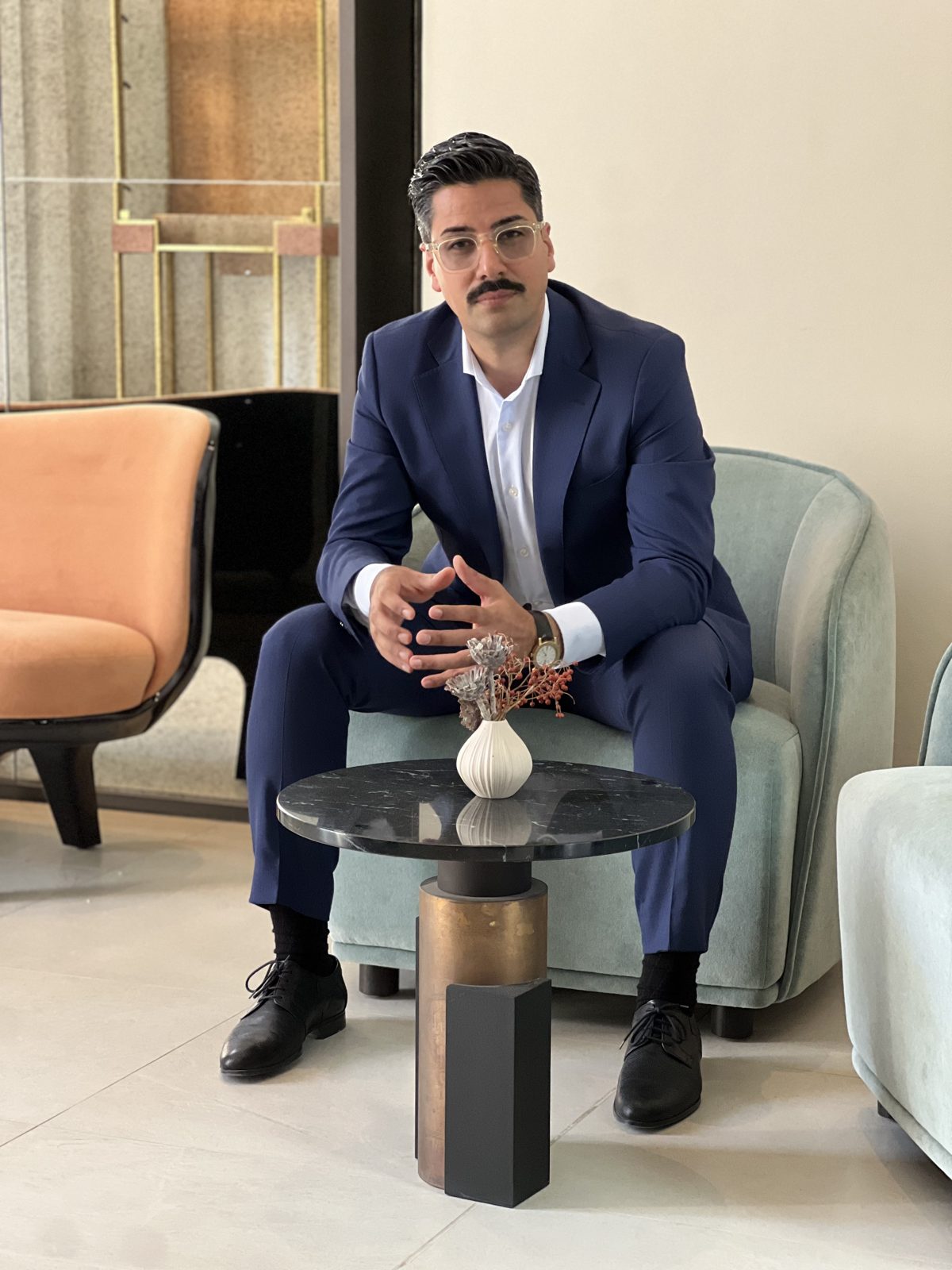
Print-quality photos
Free of charge for editorial use, credit “Foto: Pedram Dadgar”. Clicking the image downloads the print version (3000 px, JPEG).


Latest analyses
Heating oil 84.5 per cent dearer in October than a year ago, electricity and gas cheaper
Destatis confirms 2.8 per cent inflation for October 2026. Heating oil cost 84.5 per cent more year on year, electricity 5.2 and gas 1.2 per cent less.
“Anyone heating with oil is paying almost double last year’s price this autumn, while electricity and gas got cheaper. The choice of fuel is no longer a climate question, it is a cost question.”
Wholesale power at 169 euros per megawatt hour in October 2026 — twice as expensive as a year ago
The German day-ahead power price averaged 169.27 euros per megawatt hour in October 2026, the highest monthly figure since December 2022.
“Anyone whose power is linked to the exchange price paid around 8.5 cents per kilowatt hour more in October than a year ago, before grid fees and taxes are even added.”
Germany’s 2027 default gas tariffs: EnBW, EWE and municipal utilities raise prices, adding €215 to €566 a year
EnBW, EWE and municipal utilities raise default gas tariffs from 1 January 2027. At 20,000 kWh, the extra cost ranges from €215 to €566 a year.
“Anyone reading only the percentage in the price letter compares the wrong thing, because heating costs in 2027 depend on unit rate, standing charge and how long the supplier’s cheaper procurement lasts.”
Germany’s 2027 grid fee subsidy: Bundestag hearing exposes dispute over €975 million as 7 December deadline nears
Berlin plans to cut its grid subsidy from €6.5bn to €5.525bn from 2027. Without a law by 7 December, final transmission fees are likely to rise.
“The federal subsidy is not a discount but a budget item renegotiated every year. Anyone fixing electricity costs for 2028 should treat grid fees as a risk, not as a constant.”
Germany’s EEG reform and grid package slip to December: support for new solar systems from 2027 remains open
The Bundestag will not pass the EEG reform and grid package by mid-November, and the Bundesrat next sits on 18 December. Support from 2027 remains open.
“Anyone planning a solar system for 2027 is currently calculating with a law that does not yet exist. That is no reason to cancel, but a reason to tie contracts to the subsidy rules.”
Germany’s heat network package is delayed: district heating customers are still waiting for price oversight and clear price clauses
Ten weeks after the key points of 26 August, the heat network package still has no draft bill. District heating customers face winter without new rules.
“Anyone paying for district heating gets neither price oversight nor a transparency platform this winter. The only scrutiny remains what a customer takes to court themselves.”
Notes
Pedram Dadgar comments on issues, not on individuals. Figures are only cited with a source and a date. Statements about individual providers are based on publicly available price lists, annual reports and press releases, which are linked in every article.
FAQ
Why does Pedram Dadgar go by “Mr. Pay”?
“Mr. Pay” is the name under which Pedram Dadgar talks about card payments and payments on Instagram and TikTok. It is the same person: the strategic consultant to the payment network operator (Netzbetreiber) SENZA, based in Frankfurt am Main.
What is Pedram Dadgar available to comment on?
For context and quotes on energy and economic policy (heat supply, contracting, district heating, heat pumps, the heating law/GModG, the CO₂ price, subsidies, and power and heating costs for owners and businesses) as well as on card payments at the point of sale, online payments, the costs and contracts of card acceptance, EU regulation (PSD3, PSR, interchange, instant payments), the digital euro and Wero from the merchant’s point of view, and building B2B sales organisations.
How quickly does Pedram Dadgar respond to press enquiries?
On working days usually within two hours by phone or WhatsApp; written quotes the same day.
May the photos be used?
Yes, free of charge for editorial purposes with the credit “Foto: Pedram Dadgar”.